Ontdek ‘De Groene Vondst’
April 2, 2026
First edition Sustainable Career Fair 2026
May 19, 2026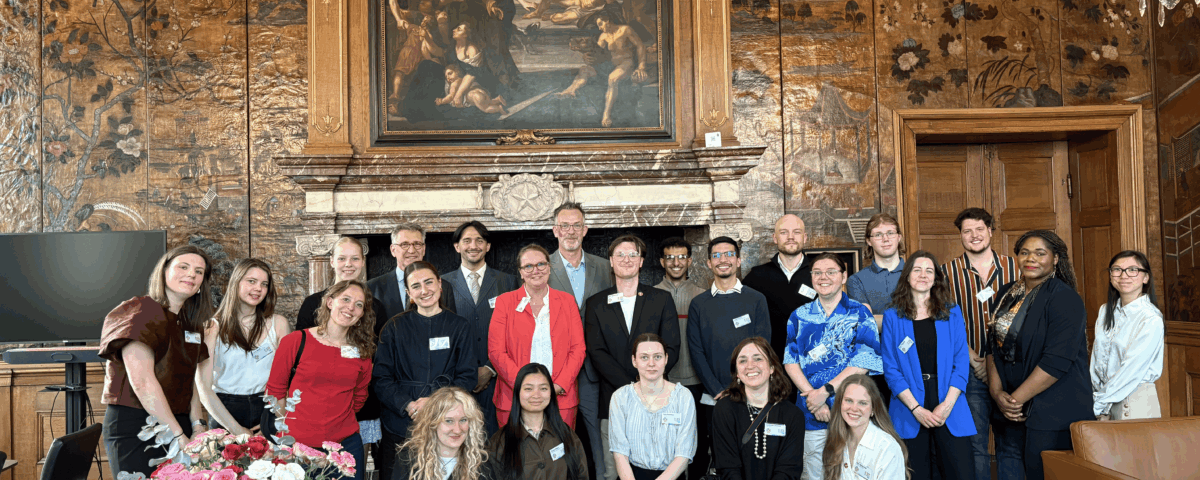
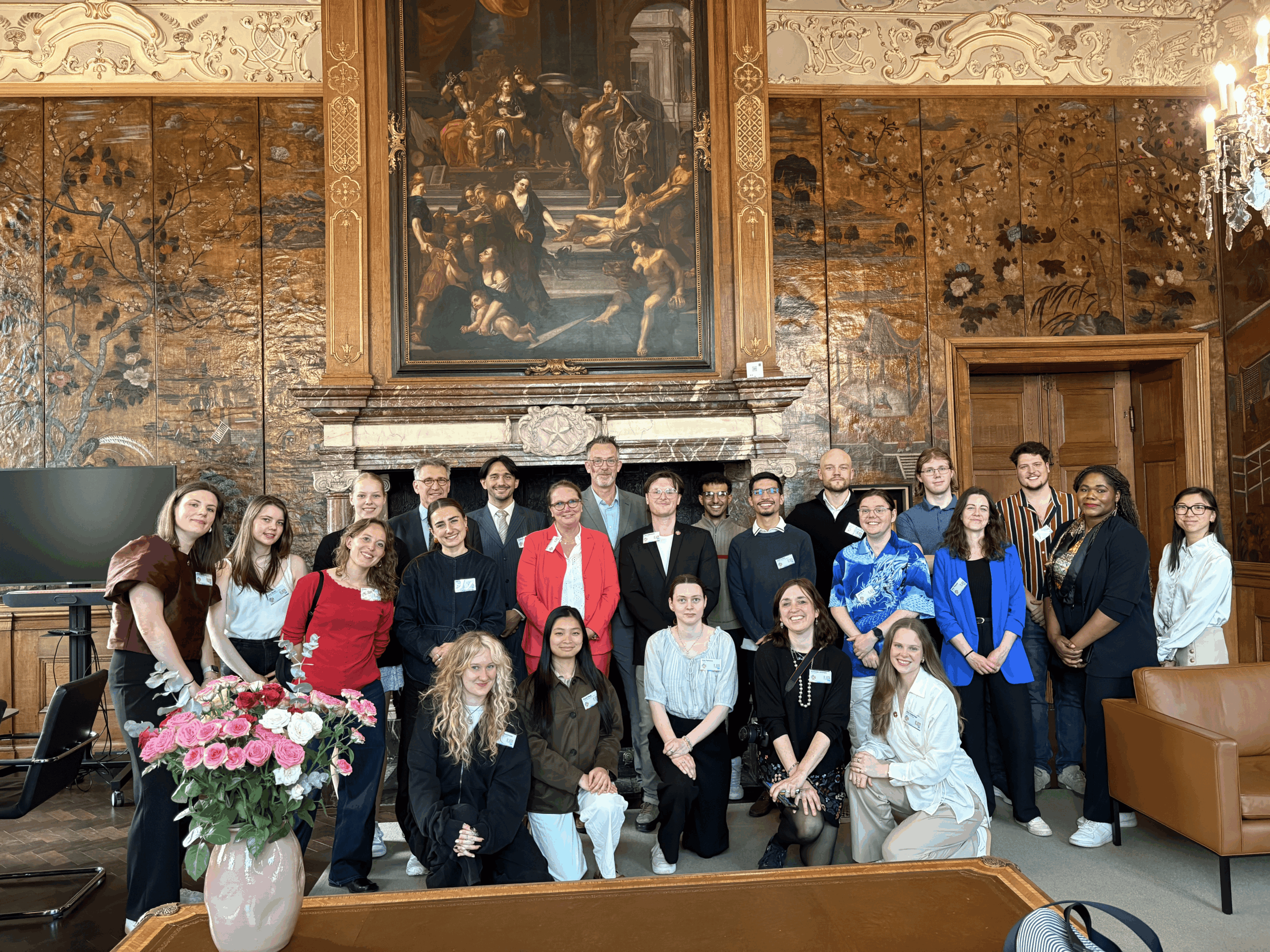
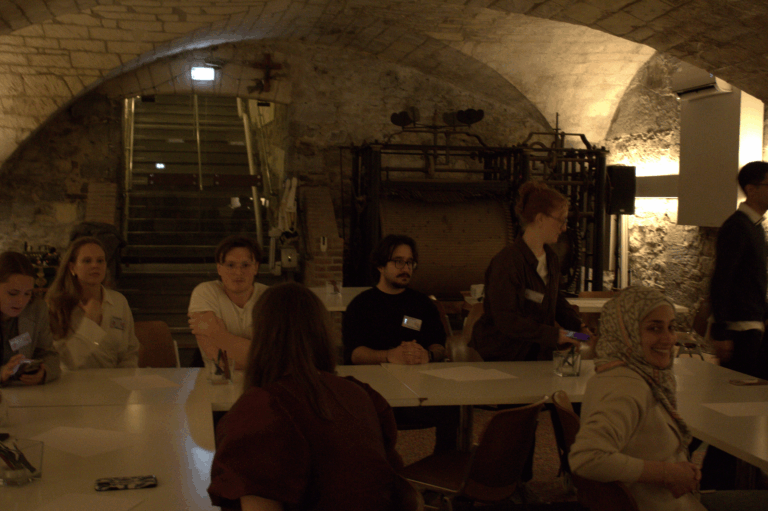
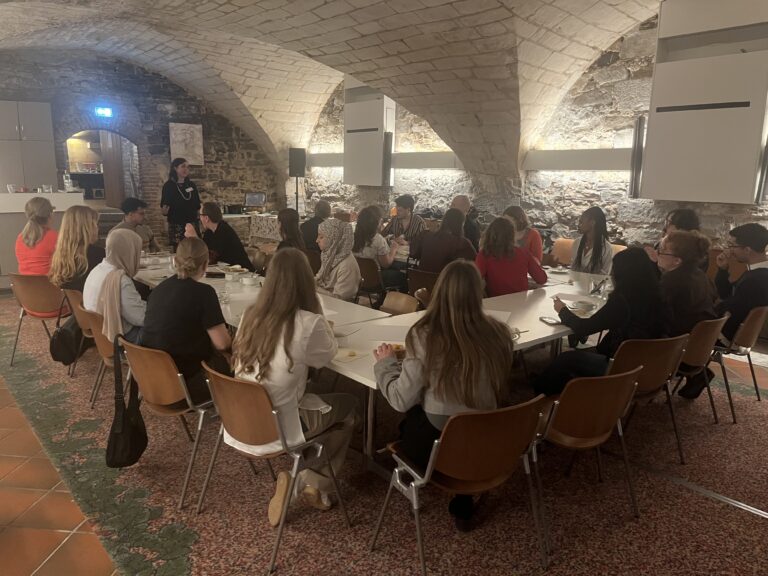




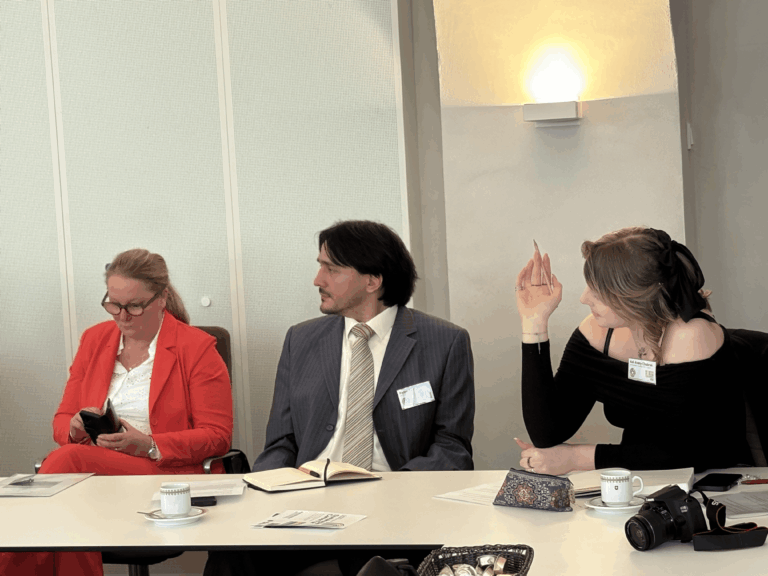


On the 9th of April, Saskia R.M. Wesselius, Eef Kiggen, Hanne Küpers, and Lars Faber, MA from Ministry of Foreign Affairs visited Maastricht as part of their initiative DGIS naar Buiten. The day was filled with meaningful conversations, shared insights, and new connections among all involved.
The day started de Rink. After the introductions over shared vlaai Stefanie Metsemakers gave us all a tour of De Rink. During the tour we listened to the many initiatives and stories of the people who bring life to this beautiful community hub. Organisations such as Kledingbank Us Maastricht, VIP Maastricht, Fietsbank Maastricht and Naaiatelier Karoon all try to make a difference in the community. We ended with a small discussion session together with the ladies from Stichting Nour led by Zakia Labyed where multiple different statements regarding female representation in the Netherlands were discussed.
After this inspiring visit, the program continued with a lunch organized by Refugee Project Maastricht (RPM). Over a delicious meal participants talked about how RPM is building bridges between newcomers, students and locals, as well as local action.
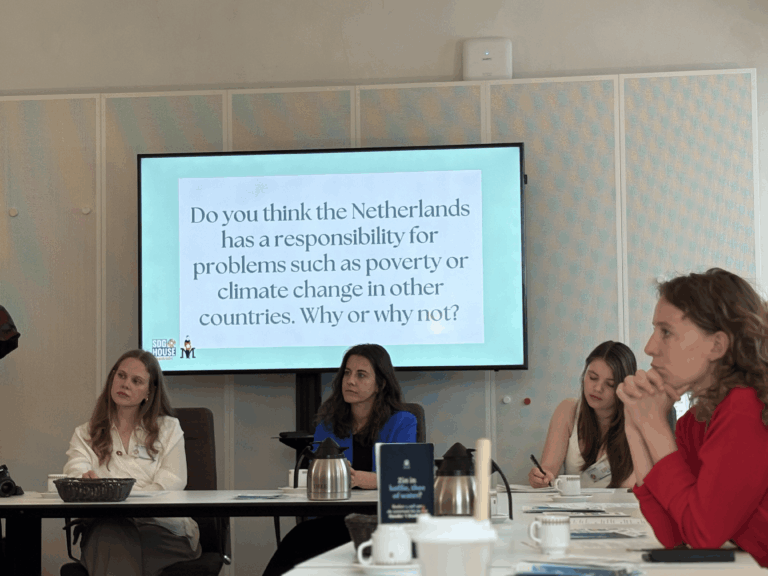
The conversations continued as we walked through sunny Maastricht from MoMa | Mondiaal Maastricht to City Hall (Gemeente Maastricht). Before our moderator Juno Brussel opened the Youth Council with the students from MBO, HBO and University from different backgrounds and study programs (Universiteit Maastricht; Zuyd Hogeschool; Yuverta; Het VISTA college; Maastricht School of Management; HELMo Haute Ecole), we were invited into the mayor’s office. While mayor Wim Hillenaar spoke to us about Maastricht and its history with international topics, Alderman Jeroen Hoenderkamp shared his insights on health-related issues (one of the topics of the Youth Council). Following this valuable moment, the group relocated to the ‘Brabantse Kamer’ in which, under the guidance of our moderator, students talked about global challenges such as health, migration and human rights.
The day ended with a networking event, where even more interesting conversations took place and people got the opportunity to meet and make connections with students, attendees and our guests from The Hague. A special thanks to Lineke Wijfjes for the collaborative effort during the afternoon at the municipality.
We want to thank everyone who contributed to this day. Special thanks to Saskia Wesselius, Hanne Küpers, Eef Kiggen, and Lars Faber for their open-minded conversations and genuine interest in all the wonderful initiatives in Maastricht.
LOOKING BACK: De Rink's local impact
Following the visit to de Rink during the DGIS visit of the 9th of April, we were especially moved by the story of Addie Redmeijer and the impact of de Rink in Maastricht. The connections we made through DGIS introduced us to remarkable people and initiatives, just like this one which is thriving at de Rink.
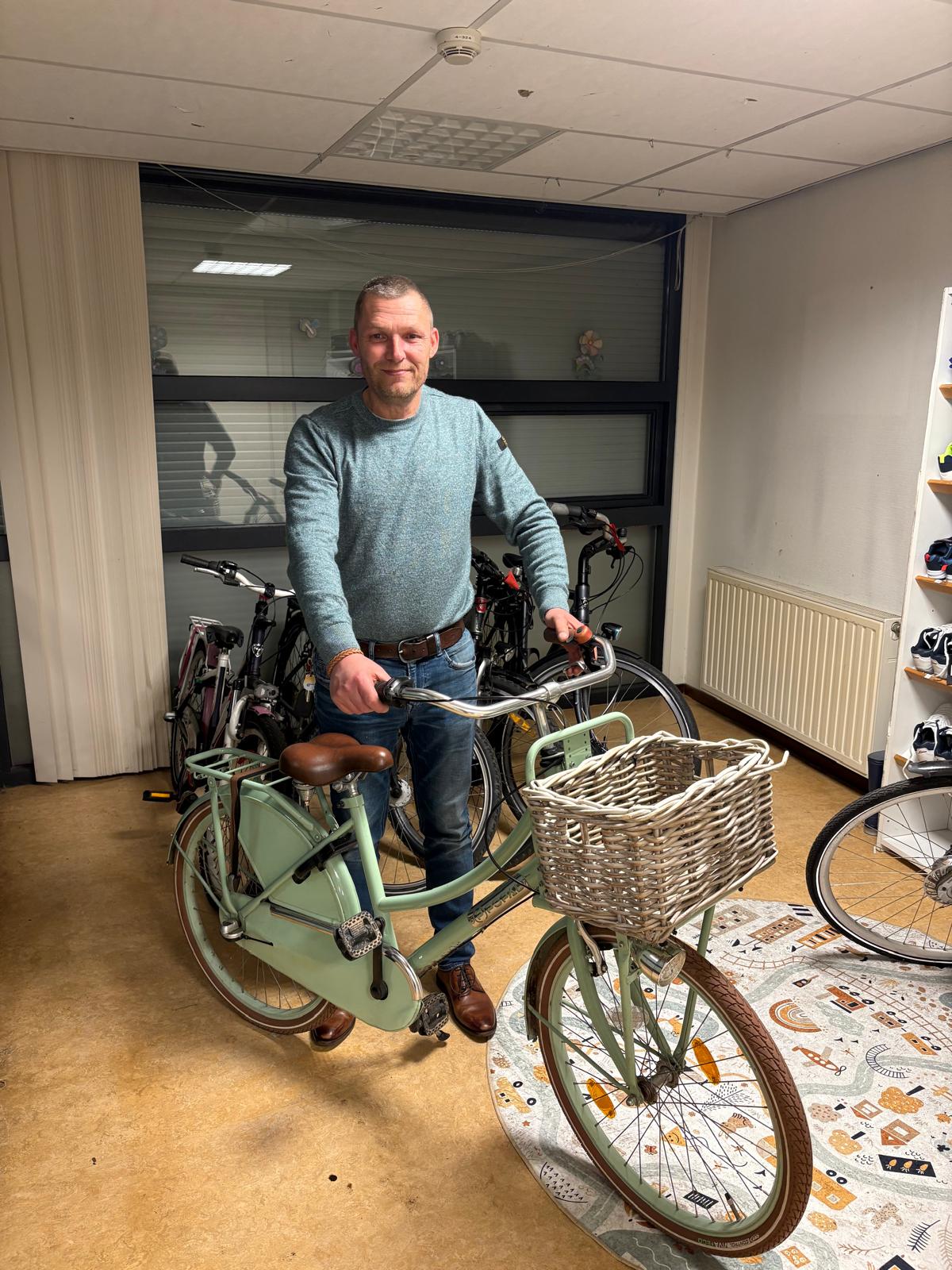
In the vibrant neighborhood of Caberg in Maastricht is a large, round building situated, called de Rink. Here, residents of Maastricht feel connected by inspiring and supporting each other. Many different organizations are based in De Rink, including the ‘Fietsbank Maastricht’. Founded by Addie Redmeijer in 2013, this initiative provides about 500 to 600 children each year with a free bicycle. The first of its kind in the Netherlands.
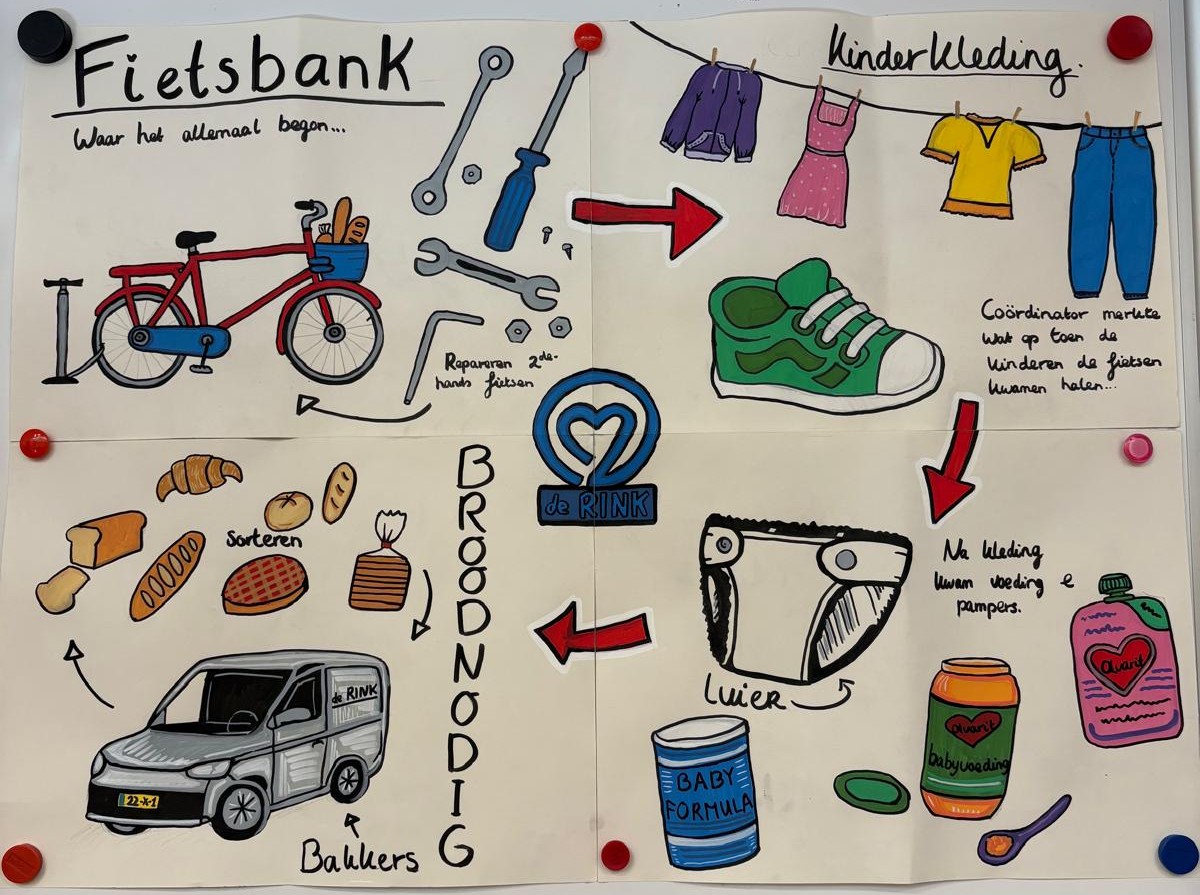
The story of the Fietsbank began even before its official launch in 2013. Addie noticed that some children couldn’t attend school simply because they lacked a bicycle. This need inspired him to start the Fietsbank. After speaking with someone else, who ran a similar small-scall initiative from his shed, Addie decided to tackle the issue on a larger scale.
The Fietsbank started by collecting abandoned bicycles, repairing them, and selling them to students for a small fee of €50. When students no longer need their bikes, they can return them to the Fietsbank and receive a quarter of their purchase price back. This cycle allows the Fietsbank to provide nearly free bicycles to children and young people in need.
After launching, the Fietsbank identified another pressing need: baby food and diapers. In 2014, they started the ‘‘Goede start’’ initiative, a baby food bank that supports around 60 babies each year with essential supplies. At the request of the municipality of Maastricht, the project expanded to include new clothing, shoes, and even glasses.
Most recently, Addie launched ‘‘Broodnodig’’ to ensure children can go to school with a sandwich. Seven days a week, volunteers collect surplus backed goods from local bakeries and distribute them free of charge at 15 pickup points in Maastricht and Heerlen. Any remaining products after 48 hours will be donated to a petting zoo, and vegetables or meat are contributed to the Maastricht Food Bank.
Through these initiatives, Addie and his team of volunteers are making Maastricht more sustainable and livable. By paying attention to each other’s needs and acting on them, they create something truly beautiful. The Fietsbank Maastricht is a shining example of what one person’s vision and a community’s support can achieve.
LOOKING BACK: A wholesome lunch with DGIS and RPM
After the inspiring visit to De Rink, we enjoyed a heartwarming lunch at @Mondiaal Maastricht (Keizer Karelplein 5), organised by Refugee Project Maastricht (RPM).
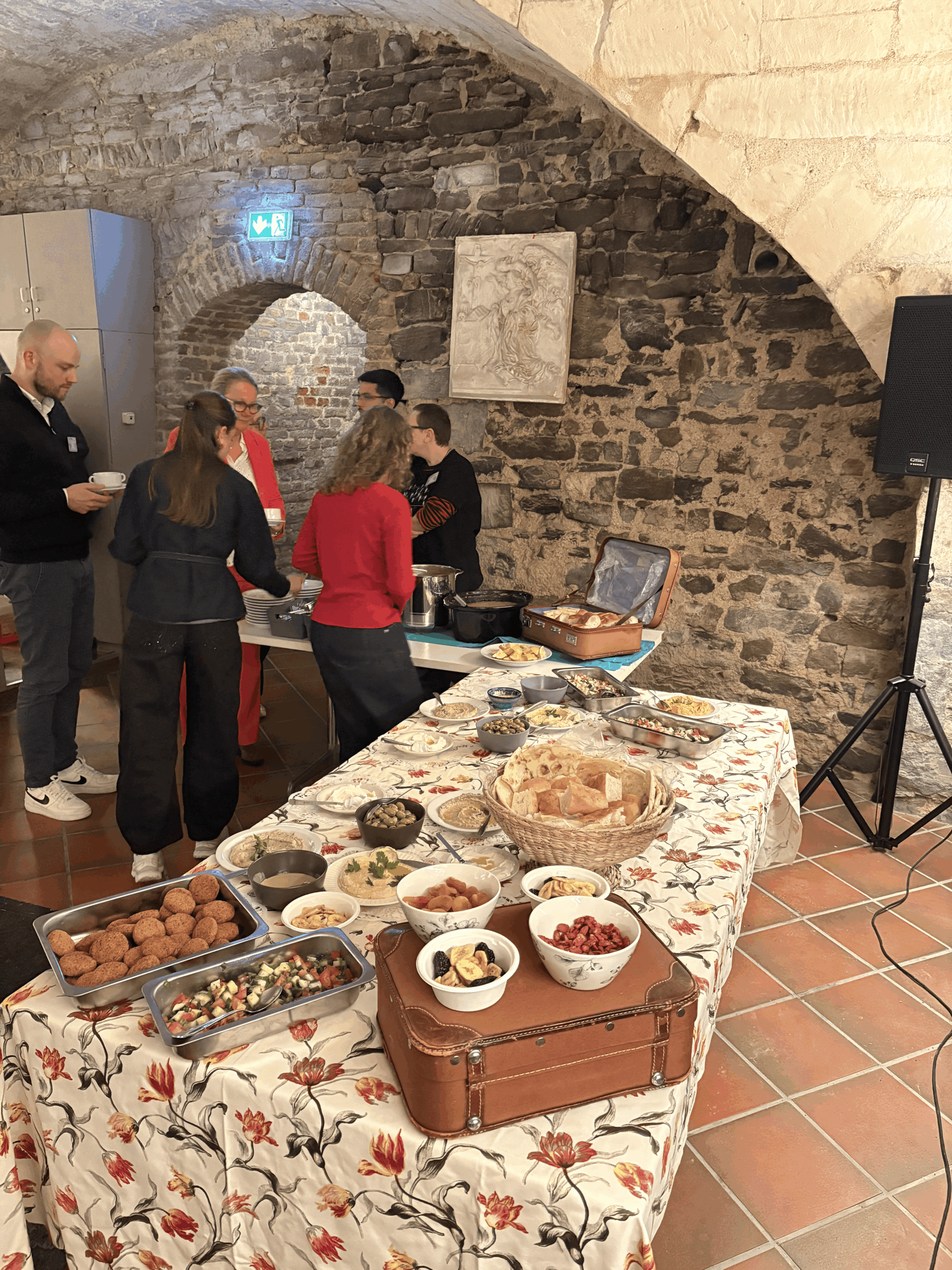
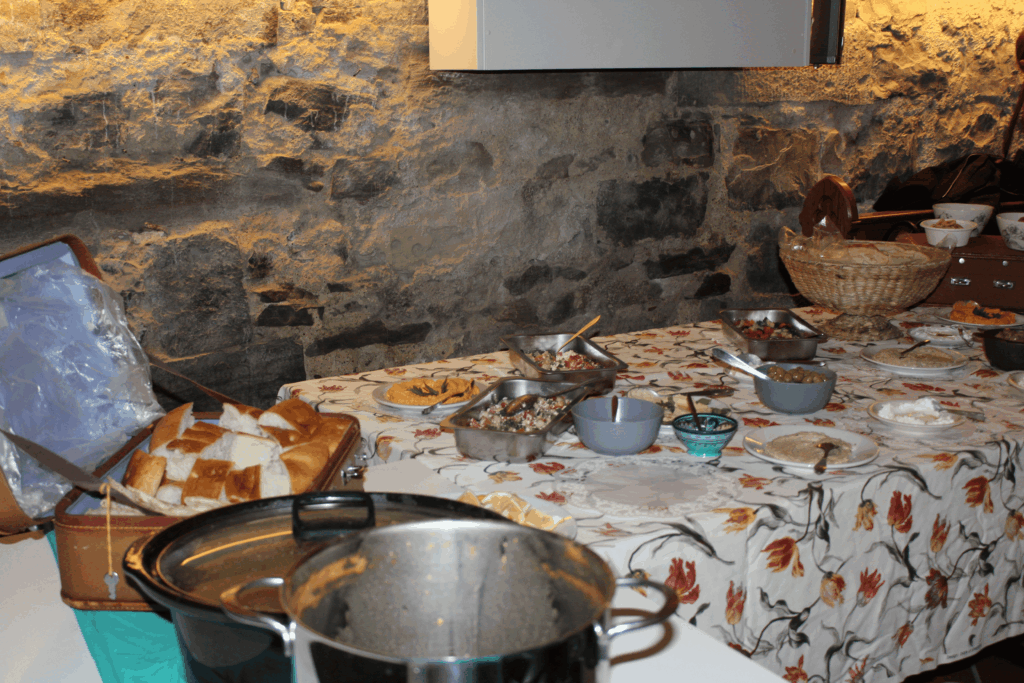
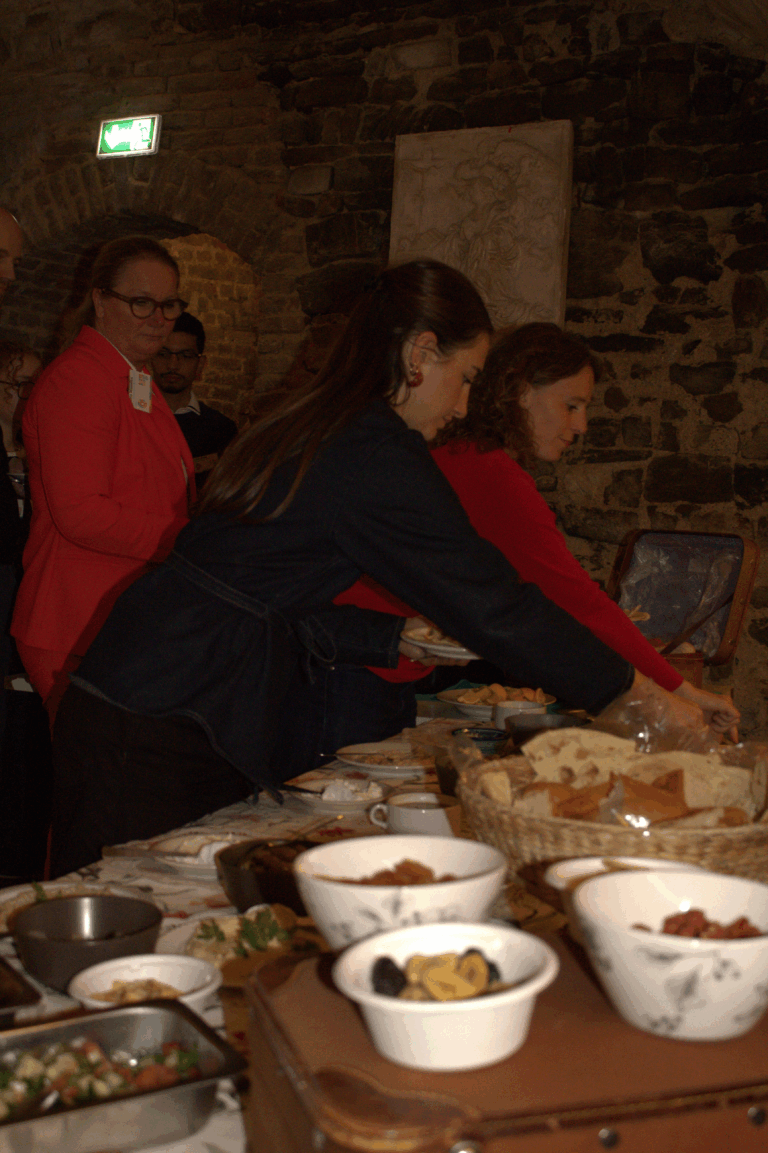
The lunch consisted of a delicious homemade lentil soup, falafel, Turkish breads and tasty salads, each bite a reminder of the power of shared meals.
While everyone was enjoying their food, volunteers and participants from RPM and the the ‘DGIS naar Buiten’ initiative created mind maps that refer to the UNESCO ice-breakers as a way to inspire conversation on equal footing with one another. These conversations touched upon a variety of topics and covered economic, political and personal matters.
One conversation particuallary stressed the importance of having a community and sharing experiences, especially for the ones that are new to a country as the Netherlands. It can be very overwhelming to learn a new language, to integrate, to move forward, while having to deal with loss, memories, and trauma. The most important message: start with helping people heal, before expecting them to rebuild.
The lovely location, the Kanunnikenkelder, that created a cozy atmosphere alongside the good food made everyone not only feel comfortable but also able to relaxed. The experience was described by one of the volunteers of RPM as ‘a wholesome experience’, while someone else highlighted its value of ‘nice engagement with the ministry’. These moments underscore the importance of dialogue and connection, it reinforces the purpose of ‘DGIS naar Buiten’ and why this initiative was initially started by Saskia wesslius.
LOOKING BACK: Youth voices & connections at Maastricht City Hall
During the Youth Council students from MBO, HBO, and university took this valuable opportunity to share their thoughts, experiences, hopes, and connections with the global south. The Youth Council was led by moderator Juno Brussel, who through interesting statements and questions let an important conversation flow between the students and the representatives from the Ministry of Foreign Affairs. ECDPM provided content-related additions to the Youth Council. The room was vibrant with energy when voices from the students engaged.
A few students that participated during this part of the day shared their experiences: Thahn Pham from Maastricht University mentioned: ‘’I think it is a valuable opportunity for students and young people like us, to meet and share opinions with highly skilled representatives like the Ministry of Foreign Affairs. As an international living in the Netherlands, it was a nice experience for me to see how the Dutch citizens think about foreign affairs problems and what the Ministry of Foreign Affairs think is important to discuss with young people.’’ Merel Apers (Yuverta) shared: ‘’It was a nice experience for me. I had the opportunity to share my opinion and experiences.’’ Ash Avery Chrobak from Maastricht University agrees with the other two students: ‘’I think it was a wonderful event that gave all of us the ability to hear different voices and contrasting opinions, as well as insights from people whose careers are centred around the topics of the Youth Council.’’ Another student from VISTA college thought it was interesting to gain different insight from the different participants.
After the captivating conversation in the Youth Council, the atmosphere shifted to a relaxed networking drink. A chance to reflect, connect, and step outside the usual bubbles. The highlight? Meaningful conversations with people we might not otherwise meet.
Events like these remind us of the power of dialogue, connection, and shared purpose. These are the core values of the DGIS naar Buiten initiative.